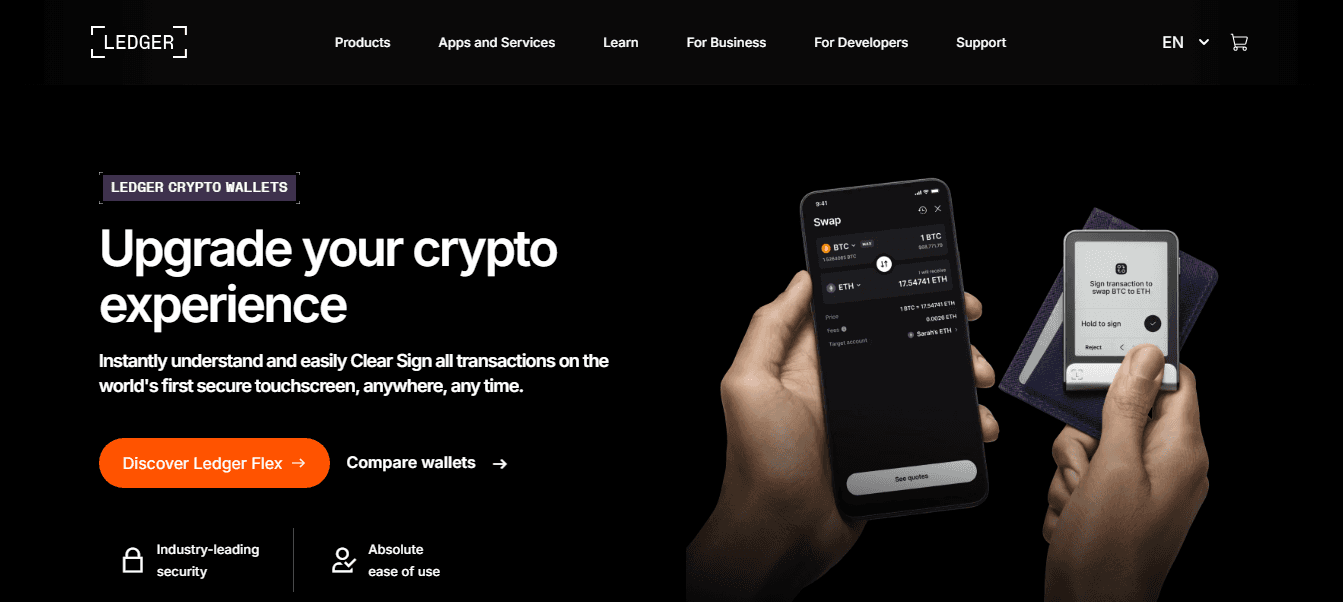
Ledger Live: Complete Guide to Secure Cryptocurrency Management
Ledger Live is an all-in-one platform designed to help cryptocurrency users manage their digital assets safely and efficiently. Developed by Ledger, this application works in combination with Ledger hardware wallets to provide strong security, full asset control, and an easy-to-use interface. Whether you are new to crypto or an experienced investor, Ledger Live offers a reliable solution for storing, tracking, and transacting cryptocurrencies without compromising safety.
Introduction to Ledger Live
Ledger Live is the official companion software for Ledger hardware wallets such as Ledger Nano X and Ledger Nano S Plus. Unlike traditional software wallets, Ledger Live does not store private keys on your computer or mobile device. Instead, private keys remain securely stored on the hardware wallet, while Ledger Live acts as a visual dashboard to manage accounts, balances, and transactions. This design significantly reduces exposure to online threats like hacking, phishing, and malware.
Why Ledger Live Is Important
Security is the primary reason Ledger Live stands out in the crypto ecosystem. Many crypto losses occur due to compromised software wallets or exchange hacks. Ledger Live minimizes these risks by requiring all sensitive actions, such as transaction approvals, to be confirmed directly on the hardware device. This ensures that even if your computer or phone is infected with malicious software, your assets remain protected.
In addition to security, Ledger Live simplifies crypto management. Users can manage multiple cryptocurrencies from one platform instead of installing separate wallets for each asset. This makes Ledger Live especially useful for users with diversified portfolios.
Supported Cryptocurrencies
Ledger Live supports thousands of cryptocurrencies and tokens across multiple blockchain networks. Popular assets like Bitcoin, Ethereum, Litecoin, and Ripple can be managed easily. The platform also supports many ERC-20 and other blockchain-based tokens. Ledger regularly releases updates to expand asset support, ensuring compatibility with new and emerging cryptocurrencies.
Getting Started With Ledger Live
Downloading Ledger Live
To begin using Ledger Live, users must download the application from the official Ledger website. Ledger Live is available for Windows, macOS, Linux, Android, and iOS. Downloading the official version is critical to avoid fake or modified applications that could attempt to steal sensitive information.
Connecting Your Ledger Device
After installing the application, connect your Ledger hardware wallet to your computer or mobile device using a USB cable or Bluetooth, depending on the device model. Ledger Live will automatically detect the device and guide you through the setup or connection process. All actions must be confirmed on the hardware wallet screen, ensuring authenticity and security.
Creating or Restoring a Wallet
Users can choose to create a new wallet or restore an existing one. When creating a new wallet, the Ledger device generates a 24-word recovery phrase. This phrase is the master backup for all crypto assets stored on the wallet. It must be written down and stored securely offline. Anyone with access to this recovery phrase can control the wallet, so it should never be shared or stored digitally.
Features of Ledger Live
Portfolio Overview
Ledger Live provides a clear overview of your entire crypto portfolio. Users can view total asset value, individual balances, and transaction history in one place. The dashboard also shows market performance, helping users track changes in asset value over time.
Account Management
Ledger Live allows users to add multiple accounts for the same cryptocurrency. This feature is useful for organizing funds, such as separating long-term holdings from daily-use assets. Each account can be labeled for easy identification.
Sending and Receiving Cryptocurrency
Receiving crypto with Ledger Live is simple. The app generates a wallet address that can be verified directly on the hardware device, ensuring accuracy. When sending crypto, transaction details must be reviewed and approved on the Ledger device. This on-device verification prevents unauthorized or incorrect transactions.
Security Architecture of Ledger Live
Ledger Live is built around a strong security model that prioritizes user control. Private keys never leave the Ledger hardware wallet, and Ledger Live does not have access to them. Transactions are signed within the secure element of the hardware device, which is designed to resist physical and digital attacks.
Each Ledger device is protected by a PIN code, preventing unauthorized access if the device is lost or stolen. In case of device damage or loss, users can restore their wallet using the 24-word recovery phrase on a new Ledger device.
Ledger Live also includes authenticity checks that verify the hardware wallet is genuine and running official firmware. Firmware updates can be installed through Ledger Live, ensuring the device stays protected against newly discovered vulnerabilities.
Additional Functions
Buying, Selling, and Swapping Crypto
Ledger Live integrates third-party services that allow users to buy, sell, and swap cryptocurrencies directly within the app. These services provide convenience while maintaining the security benefits of hardware wallet protection.
Staking and Earning Rewards
For supported cryptocurrencies, Ledger Live offers staking features. Users can earn rewards by participating in network validation while keeping their assets securely stored on the hardware wallet.
Regular Updates
Ledger frequently updates Ledger Live to improve performance, enhance security, and add new features or supported assets. Keeping both the app and hardware firmware updated is essential for safe crypto management.
Common Mistakes to Avoid
Users should always download Ledger Live from the official Ledger website and avoid third-party sources. Recovery phrases and PIN codes should never be shared with anyone, including individuals claiming to be Ledger support. It is also important to verify all transaction details on the hardware wallet screen before confirming